
Step 1
Site Drainage Evaluation
We walk the site during or after a rain event when possible, or assess grade behavior and drainage infrastructure during the consultation walkthrough to understand how water moves across and through the property.
Loading content...
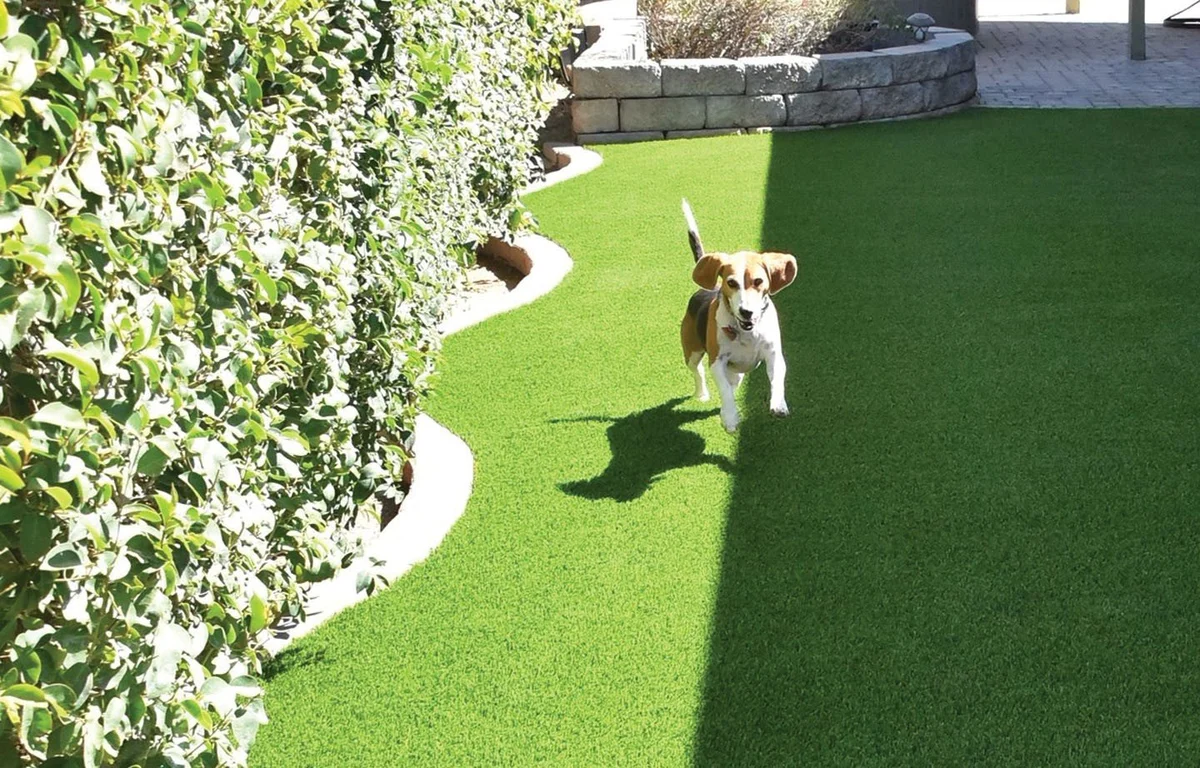
Engineered subgrade and drainage systems for artificial turf installations in the Lake Houston watershed — because southeast Texas weather demands more than a standard base.
No artificial turf installation performs better than the base it sits on. In the Lake Houston area, that truth carries more weight than in almost any other market in Texas. Kingwood and the surrounding communities sit in the upper reaches of the San Jacinto River watershed, a geography that funnels significant storm water through the area during Gulf Coast rain events and tropical weather systems. Properties along Bear Branch, Mills Branch, Sand Creek, and the lower Lake Houston shoreline see drainage loads that stress even well-designed systems. Properties on clay-heavy subsoils throughout the Kingwood corridor face a secondary challenge: even without storm events, Houston's dense clay soil drains poorly and can create a perched water table that undermines base stability and turf performance. Drainage and base preparation is the foundation of every artificial turf installation Artificial Turf of Kingwood builds — but it is also a standalone service for properties where an existing installation has drainage problems, or where a property needs drainage correction work before any new turf project can be properly scoped. We assess sites with drainage issues independently of the surface installation, identify the root cause of the problem in the base layer or the surrounding grade, and design a correction that addresses it durably rather than cosmetically. The Lake Houston corridor's drainage requirements differ by neighborhood and lot position. Elevated lots in Greentree Village and Hunters Ridge with fast-draining grades have different base requirements than flat lots in Kings Mill near drainage easements. Walden on Lake Houston properties with shoreline proximity need drainage systems designed with lake-level fluctuation in mind. Sand Creek and Bear Branch adjacent properties in the eastern Kingwood sections see storm water flow volumes that demand properly sized drainage channels rather than simple perforated base systems. We design for the specific property, not for a market average. For new turf installations, base preparation is not a separate cost — it is the first phase of every project we build. But we want Kingwood homeowners and commercial property managers to understand what they are getting in that phase, because shortcuts here are the most common cause of turf performance failures in this climate. A turf system installed on inadequate base preparation will pool water, shift grade, develop edge failures, and shorten its service life dramatically. We do not take shortcuts at this stage, and we explain our base design decisions to every client before installation begins.
Artificial Turf of Kingwood's drainage and base preparation services address the full scope of subgrade engineering for southeast Texas turf installations.
The homeowners and commercial properties we serve are in one of the more hydrologically challenging markets in Texas. The Lake Houston watershed delivers water volume that tests every drainage system in the area, and the clay-heavy soils throughout the Kingwood corridor do not help. Artificial Turf of Kingwood has worked in this market long enough to understand what the base requirements actually are here — not what a standard base spec might assume on a generic Texas site. We engineer for this drainage environment specifically, and that is why our installations hold their grade, drain cleanly, and maintain surface performance through southeast Texas weather cycles that would compromise a less carefully built system.
Primary local coverage includes Kingwood, TX and surrounding communities.
Base engineering is where turf performance is determined. We treat this phase with the same rigor we bring to surface installation.
Step 1
We walk the site during or after a rain event when possible, or assess grade behavior and drainage infrastructure during the consultation walkthrough to understand how water moves across and through the property.
Step 2
We specify base depth, aggregate type, drainage underlayment design, and any supplemental channel drain requirements based on the site's specific drainage load and the turf system's performance requirements.
Step 3
Existing material is removed to the designed depth. Clay subgrade is examined for instability, and subgrade stabilization treatment is applied where needed before base aggregate is placed.
Step 4
Aggregate base is installed and compacted in lifts to the designed depth and density. Drainage underlayment, channel drains, and outlet routing are installed per the drainage design before the base surface is finished.
Step 5
Final grade is confirmed with a level across the installation zone, drainage outlets are verified clear, and the base surface is approved for turf installation.
The Lake Houston watershed creates specific drainage engineering needs across different property types and neighborhoods.
Properties adjacent to Kingwood's primary drainage corridors need base systems designed for the volume and velocity of storm water that moves through these channels during significant weather events.
Houston-area clay soil is present throughout the Kingwood corridor. Clay-heavy subgrade requires full removal to installation depth or, in some cases, soil stabilization treatment before aggregate base placement.
Lots with significant grade changes — common in Walden on Lake Houston and Hunters Ridge — need drainage engineering that prevents base material migration on slopes and manages runoff velocity at grade changes.
Properties with existing turf that has developed pooling, base shifting, or edge failure due to inadequate original drainage can be corrected with targeted base work without necessarily requiring full surface replacement.
Base engineering cost is driven primarily by depth requirements, drainage infrastructure needs, and subgrade conditions.
Deeper base requirements for high-drainage-load sites or clay subgrade removal mean more excavation volume and more aggregate material.
Properties requiring channel drains, perforated pipe systems, or outlet routing to existing drainage infrastructure add materials and labor scope beyond standard perforated-mat underlayment.
Total square footage drives base material volume directly. Larger areas require more aggregate, more compaction passes, and more installation time.
Severely compacted clay, organic material contamination, or unstable subgrade may require stabilization treatment or additional excavation depth before aggregate base can be placed.
Artificial Turf of Kingwood provides drainage assessment and base preparation services throughout the Lake Houston watershed: Kingwood (all sections), Atascocita, Humble, Huffman, Crosby, Porter, New Caney, Roman Forest, Spring, The Woodlands, Conroe, and North Houston.
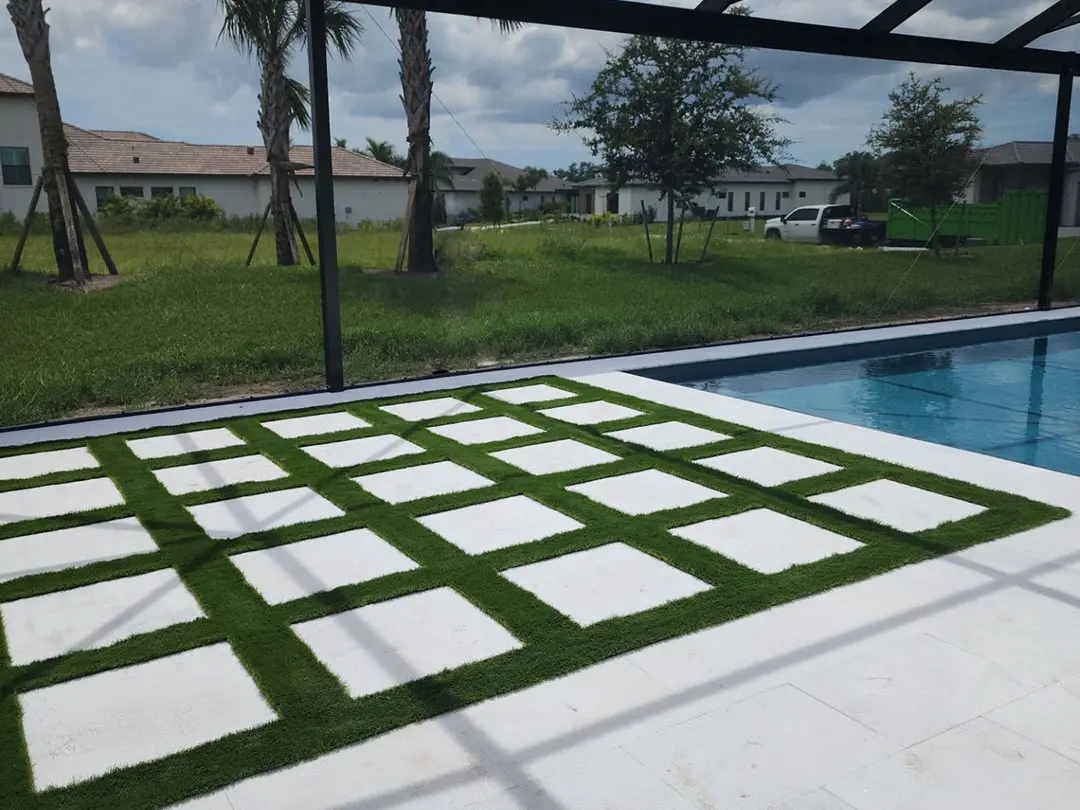
Artificial Turf Installation for residential yards, amenity areas, and commercial frontage in Kingwood, TX.
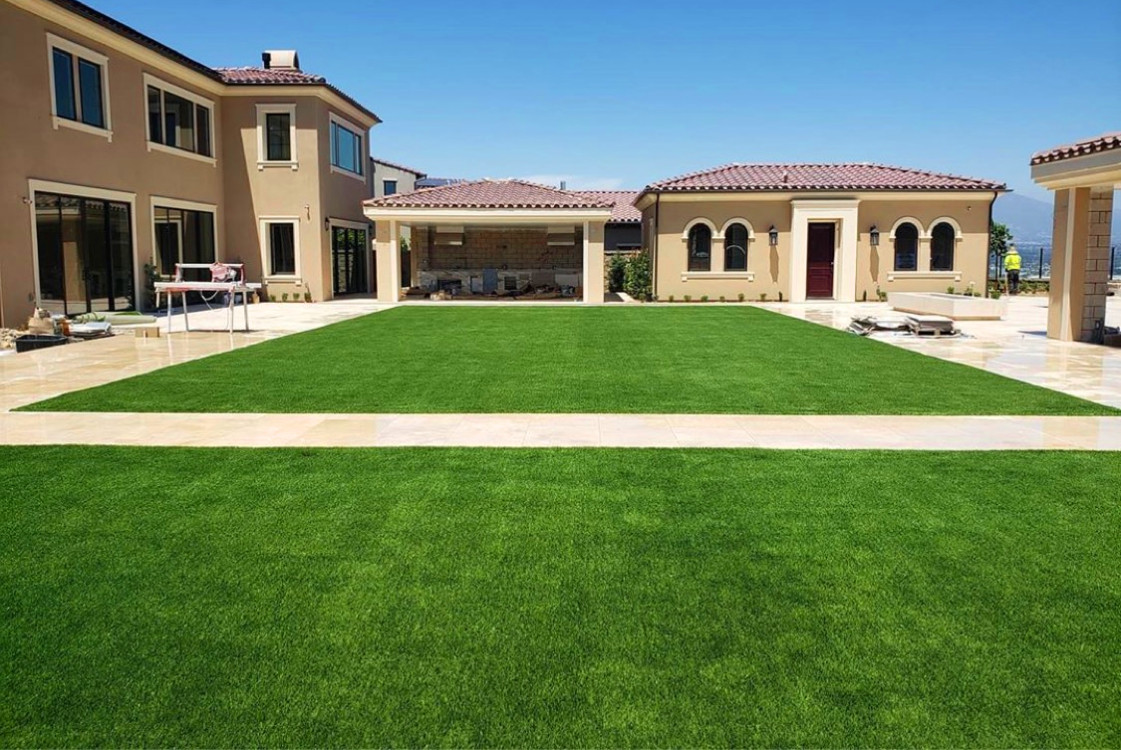
Residential Turf Installation for homes with children, pets, and high-use outdoor zones in Kingwood, TX.
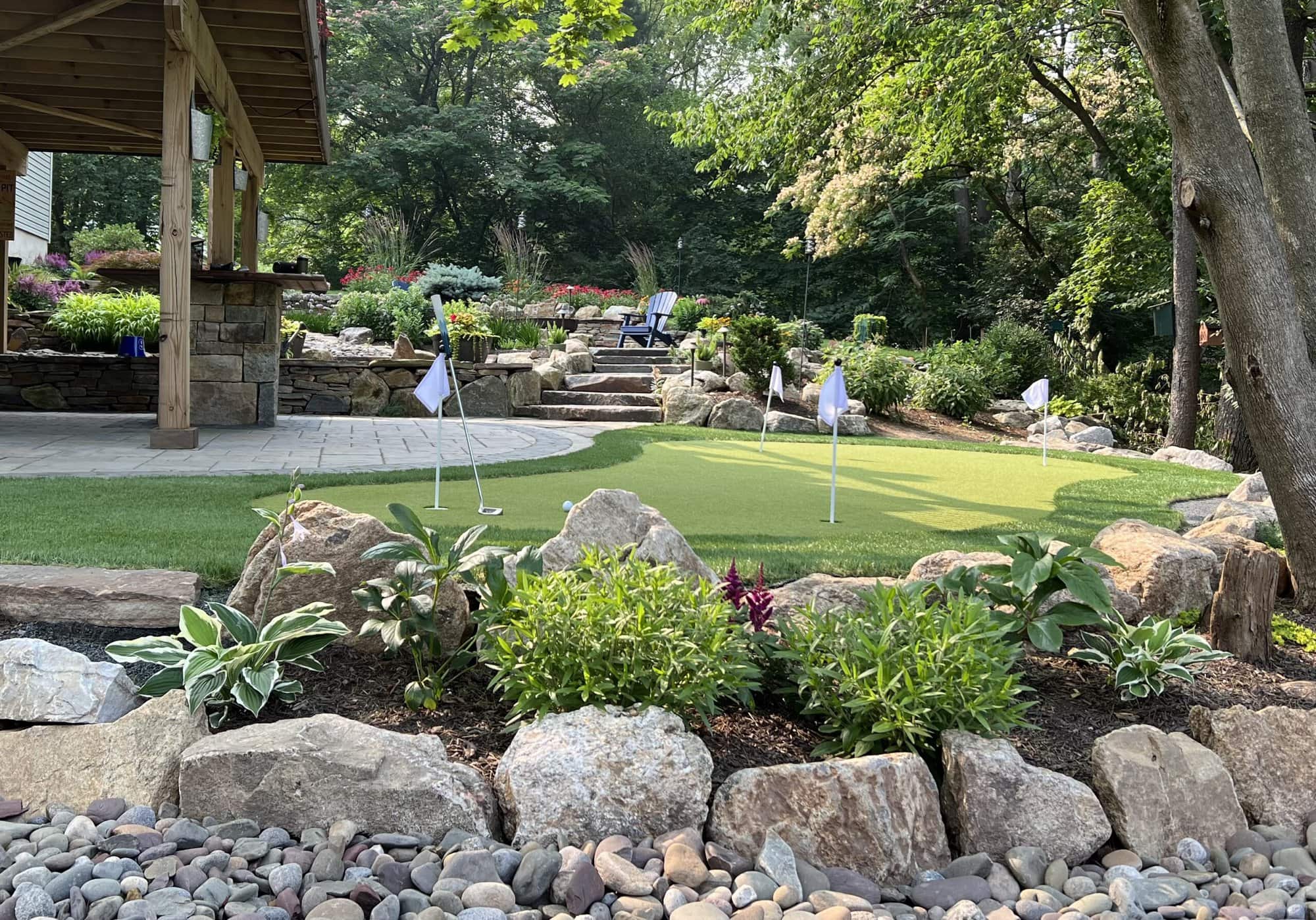
Putting Green Installation for backyard golf practice spaces and recreation yards in Kingwood, TX.

Turf Repair and Maintenance for existing turf areas with seam, infill, or edge issues in Kingwood, TX.
The Lake Houston watershed delivers some of the highest rainfall volumes in Texas during Gulf Coast and tropical weather events. Properties throughout Kingwood, Atascocita, and Humble sit in a drainage corridor where storm water management is a serious engineering concern, not just a residential preference. Turf installations without properly engineered bases and drainage systems fail faster and more expensively here than in drier Texas markets.
Most residential installations in the Kingwood area use three to four inches of compacted aggregate. Properties near drainage corridors, on sites with heavy clay subgrade, or in areas with documented flooding history may require four to six inches or more, combined with supplemental drainage underlayment.
Decomposed granite and crushed limestone are both effective base materials for this area. DG compacts well and provides excellent drainage; limestone is slightly harder and works well on higher-traffic commercial sites. We specify based on the drainage requirements and traffic load of each project.
Sometimes. If the drainage issue is at the outlet — a blocked channel drain or clogged perforated mat — we can often clear or replace that element without disturbing the turf surface. If the drainage problem is in the base structure itself, we typically need to lift the turf, correct the base, and relay the surface.
Yes. We work throughout Kingwood's eastern neighborhoods including properties adjacent to Bear Branch, Sand Creek, and other area drainage corridors. These sites get specific drainage engineering attention, not standard residential base specs.
Yes. Commercial properties in the Kingwood medical district, the FM 1960 corridor, and multifamily communities in Atascocita and Humble receive the same drainage engineering attention as residential sites — often more, given higher traffic loads and stricter drainage code requirements for commercial properties.
Share your scope priorities and timeline. We will follow up with project recommendations for your property.
Call